
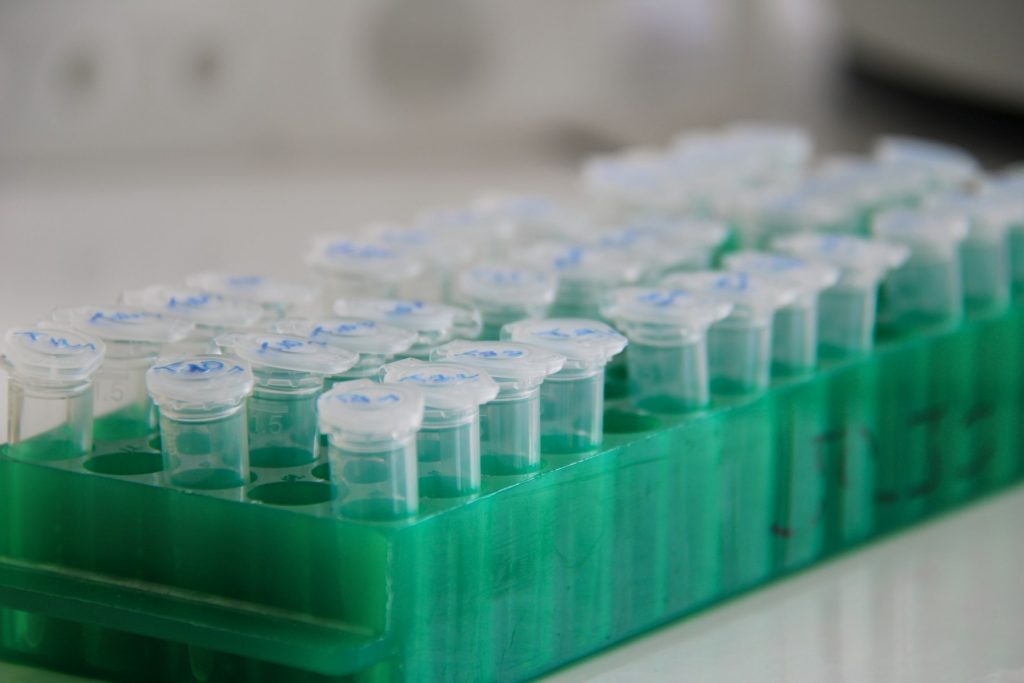
A challenge test is one of the most important tests in your launch plan, and one of the least understood when it comes to budget. Brands often ask for a price before they know what that price depends on. This article explains what drives challenge test cost, how to avoid paying for it more than once and how to get the best value from every sample you send.
Contents
- What the price covers
- 5 factors that change the cost
- The expensive mistake: testing too late
- What happens if the product fails?
- How to get more value from every test
- Do all products need one?
- Cheap, fast or complete: pick two?
- Scenarios: what you might actually pay
- Plan the budget and the timeline together
- What you receive for the price
- ISO 11930 or USP 51: which should you choose?
- Practical questions about samples
- Frequently asked questions
- Key takeaways
What the price covers
A challenge test, also called a preservative efficacy test, checks whether the preservation system in your finished product keeps bacteria, yeast and mould under control. The laboratory deliberately contaminates your product with five reference microorganisms and counts how many survive over 28 days. At the end you receive a signed report you can add to your CPSR and Product Information File. The price therefore includes sample handling, five separate inoculations, repeated sampling and counting over four weeks, and the evaluation of the results against the criteria of the chosen standard.
At Cosmetic Testing Lab you can choose between ISO 11930:2019 and USP 51.
5 factors that change the cost
- The standard. ISO 11930 is the usual reference for cosmetics in the EU. USP 51 is common for products aimed at the US market. Choose the one your assessor and your market expect.
- Number of products. Every different formula needs its own test. Variants that differ only slightly, such as a colour range on the same base, may be justified together by your safety assessor, but this must be agreed in advance.
- Product type. Emulsions and water-based products are tested as they are. Water-free or hard-to-handle products (balms, oils, powders, products with high solids) can need a modified method.
- Sample size and packaging. The laboratory needs enough product for five inoculations plus all sampling points. Sending too little leads to delays.
- Repeat tests. If the first test fails and you change the preservative system, you have to test again. This is where most of the unplanned cost comes from.
Read also What Is a Cosmetic Challenge Test? Preservative Efficacy Testing Explained
The expensive mistake: testing too late
The test itself is a fixed cost. The real money is lost when it is run at the wrong moment. A formula that fails after the packaging is printed means reformulation, a second 28-day test, delayed launch and sometimes scrapped stock. The cheapest approach is to test a near-final recipe early, while changes are still easy and cheap to make.
What happens if the product fails?
A failed result is a common outcome and can be fixed. The usual solutions are raising the preservative concentration within the legal limits, combining preservatives, adding boosters such as chelating agents or adjusting pH. After any change the test starts again from day 0. Budget for one repeat if your formula is natural, high in plant extracts or uses a non-classical preservation system.
How to get more value from every test
- Order with other tests. The challenge test, the microbiological test and the stability test all go into your CPSR. Ordering them together means one pickup and a complete file. Create a free account to unlock 10% off your first order and 20% on bundles.
- Test the final formula. Fragrance, colour and preservative level all affect the result.
- Send finished packaging. The container affects how the product behaves in use.
- Keep the report. It supports your safety file and is proof if an authority or retailer asks for evidence.
Read also My Product Failed the Challenge Test: What to Do Next
Do all products need one?
Water-containing products such as creams, lotions, serums, shampoos and gels almost always do. Products with very low water activity, high alcohol or extreme pH may be classed as low risk under ISO 29621 and can be exempt, but the decision should be documented by a qualified assessor. If you are unsure, ask your safety assessor before you buy the test.
Cheap, fast or complete: pick two?
A challenge test cannot be rushed, because the 28-day incubation is part of the method. Be wary of any offer that promises results sooner. When comparing prices, check:
- which standard is used and which edition
- the five reference strains and the sampling days
- whether the report is signed and usable in your CPSR
- how repeat tests are priced
Scenarios: what you might actually pay
These examples show how the factors combine. They are illustrations, not price quotes:
- One water-based cream, tested once and passed. You pay for a single test and move on to your CPSR.
- One natural serum that fails first time. You pay for the first test, reformulate and pay for a second. Total: two tests and about two months of lost time.
- Three variants on the same base. You may be able to test the worst-case variant and have the assessor justify the rest. If not, you pay per formula.
Read also How Long Does a Challenge Test Take?
Plan the budget and the timeline together
Because the test takes 28 days and a repeat doubles the time, plan the budget and the calendar together. A good rule is to run the first test at least three months before your target launch. That leaves room for one repeat, then the CPSR, then label printing without panic.
What you receive for the price
At the end of the test you get a signed PDF report with the product details, the standard used, the five test microorganisms, the counts at each sampling point and the conclusion against the criteria. This is the document your safety assessor attaches to the CPSR and that you keep in your Product Information File.
ISO 11930 or USP 51: which should you choose?
ISO 11930 was written for cosmetics and is the reference most EU safety assessors expect to see. USP 51 comes from the United States Pharmacopeia and is widely used for products intended for the US market. Both involve inoculation with defined microorganisms, sampling over time and acceptance criteria, but their criteria and details differ. If you sell in the EU, choose ISO 11930. If you sell in the US or serve both markets, speak to your assessor about which one, or whether both, you need.
Practical questions about samples
- How much product? Enough for five separate inoculations plus all sampling points. The order form tells you the exact amount for your product.
- What packaging? Ideally the finished primary pack, filled and closed as it will be sold.
- How do I send it? We arrange a free DHL pickup from your door, so you do not buy postage or labels.
- How should it be stored? Keep it at room temperature and away from light until pickup.
Frequently asked questions
Can I test several variants in one go?
Each formula is tested separately. Ask your safety assessor whether a group of similar formulas can be covered by testing the worst case.
How long does the cost stay valid?
The test result is valid for the exact formula and packaging tested. A change in preservative system, pH or packaging type needs a new test.
Is the challenge test required by law?
The EU Cosmetics Regulation does not name the test, but the CPSR must cover microbiological quality, and assessors expect preservation efficacy data for products that support microbial growth.
Key takeaways
- The price covers 28 days of laboratory work and a signed report.
- Standard, number of products, product type, sample size and repeat tests change the cost.
- Testing a near-final recipe early is the cheapest strategy.
- Bundle with other tests to save time and money.