
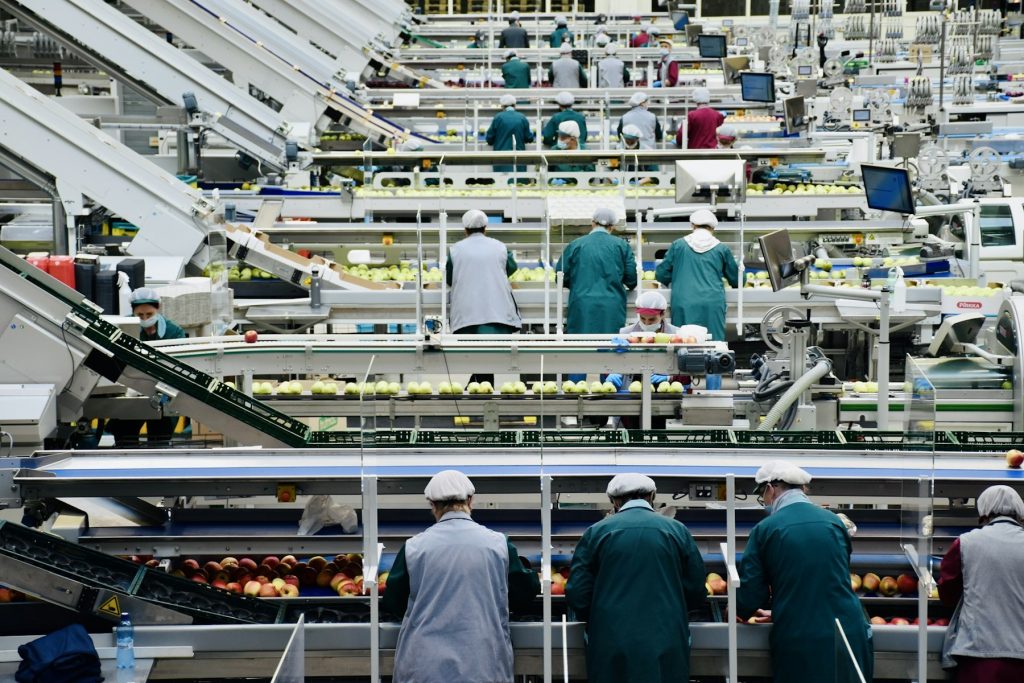
Most contamination problems are not caused by one big failure. They come from small gaps in water, cleaning, people or packaging that add up. If you want to prevent contamination in cosmetic production, you need a system, not a single fix. This guide shows the practical controls that keep bacteria, yeasts and moulds out of your batches, whether you fill ten jars a day or ten thousand.
Contents
- The short answer
- Why does contamination happen in production?
- Start with the rules: good manufacturing practice
- Control water, the main carrier
- Check raw materials and suppliers
- Clean and sanitise equipment properly
- Make people and premises part of the system
- Protect the formula during production
- Choose packaging that helps
- Prove that your preservative system works
- Verify with testing and trend the results
- Common mistakes to avoid
- Frequently asked questions
- Key takeaways
The short answer
To prevent microbial contamination in cosmetic production, control the five entry routes: water, raw materials, equipment, people and packaging. Follow good manufacturing practice such as ISO 22716, clean and sanitise equipment with documented routines, use a preservative system proven by a challenge test, and verify the result by testing finished batches. Prevention is always cheaper than a recall, and the records you create also support your safety documentation.
Why does contamination happen in production?
Microbes are everywhere: in water, air, dust, plant materials, on skin and on surfaces. A water-based cream is a nutritious place for them. Preservatives slow growth, but they are designed to protect against the small number of microbes that enter in normal use, not against a heavily contaminated batch. If a batch starts with a high microbial load, the preservative may be used up before the product reaches the customer. So the aim in production is to keep the starting load as low as reasonably possible.
Read also Cleaning and Sanitising Cosmetic Production Equipment
Start with the rules: good manufacturing practice
ISO 22716 is the international guideline for cosmetic good manufacturing practice, and in the EU, Regulation (EC) No 1223/2009 presumes compliance when products are made in line with the relevant harmonised standard. It covers personnel, premises, equipment, raw materials and packaging, production, quality control, waste, complaints, recalls, change control and documentation. In the United States, FDA has published draft GMP guidance, and the MoCRA law makes GMP a legal topic there. You do not need a large factory to apply the principles; you need written routines and the discipline to follow them.
Control water, the main carrier
Water is the raw material most often responsible for contamination. Tap water is not a cosmetic ingredient on its own; many producers use purified or deionised water, and the system that makes and delivers it can itself grow biofilm.
- Sanitise storage tanks, pipes and hoses on a schedule, and avoid dead legs where water stands still.
- Do not store purified water for long periods; drain and refresh it.
- Test the water regularly for microbial counts and record the results.
- Replace filters and resin cartridges as the manufacturer advises.
- Never use water from a hose or sink that has not been sanitised.

Check raw materials and suppliers
Plant extracts, clays, starches, proteins, thickeners and natural powders carry the highest natural microbial load. Ask suppliers for specifications and certificates, store materials closed and dry, and use clean scoops. For high-risk ingredients, consider incoming testing or heat treatment where the material allows it. Keep samples and batch numbers, so you can trace a problem back to the source. When you change a supplier, treat it as a change that may need a new stability and microbiological check.
Read also How Often Should You Test Production Batches?
Clean and sanitise equipment properly
Equipment that looks clean can still harbour microbes in valves, gaskets, filling nozzles and mixer shafts. Use a documented procedure that defines what to clean, with which agent, for how long and who signs it off.
- Remove visible residue with detergent and rinse thoroughly.
- Sanitise with a suitable agent, for example ethanol-based solutions or approved disinfectants, and allow the stated contact time.
- Rinse where needed and let parts dry. Stagnant water in tanks is an invitation for growth.
- Record the cleaning status and mark equipment as “clean” with a date.
- Check effectiveness from time to time with surface swabs or a rinse-water sample.
Shorter hold times also help. A bulk waiting for days before filling has more time to pick up microbes than one filled the same day.
Make people and premises part of the system
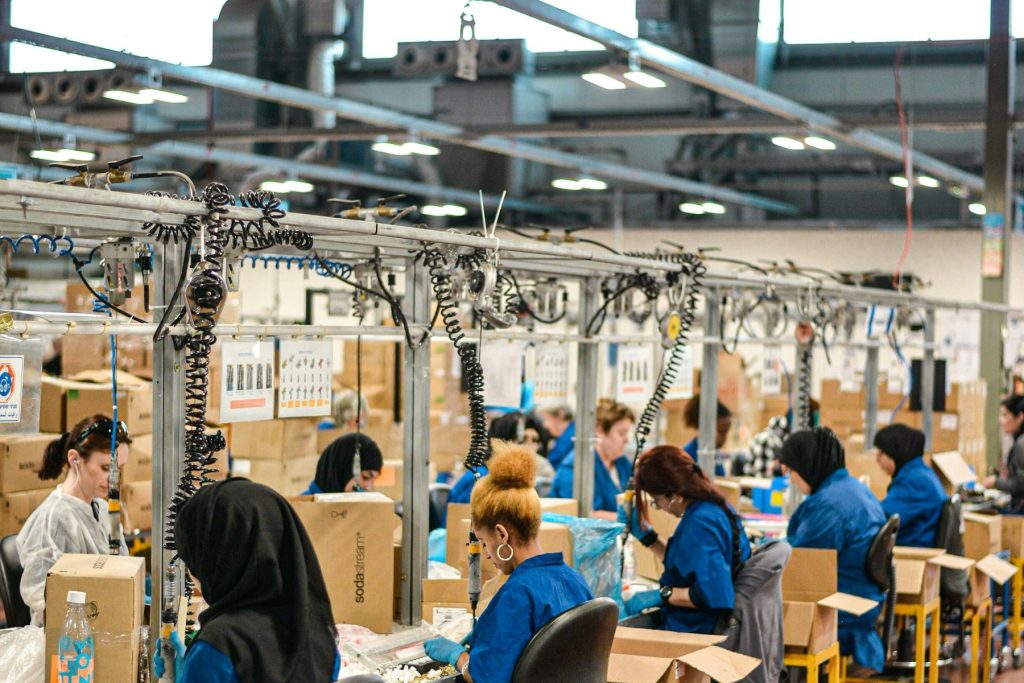
Staff are a major source of skin microbes. Provide handwashing, clean clothing, hair covering and gloves where appropriate, and keep food, drink and personal items out of the production room. Keep surfaces smooth and cleanable, manage pests, and control waste. Simple rules, for example no jewellery and no production when ill, are effective. Document training, so you can show that people understand the routine.
Protect the formula during production
- Add the preservative at the temperature and stage recommended by the supplier, and check that the final pH suits it.
- Avoid batch changes that dilute the preservative, such as adding extra water or extracts late.
- Use heating steps where the formula allows, and cool in closed vessels.
- Keep open times short and cover bulk containers.
Read also ISO 17516 Cosmetics: Microbiological Limits Explained
Choose packaging that helps
Packaging is part of preservation. Airless pumps, tubes and narrow orifices limit the contact between the product and the user, whereas wide jars invite finger contamination. Clean and, where needed, sanitise packaging before filling, and store it covered. Compatibility matters too: a pack that absorbs preservative or reacts with the formula can weaken protection, which is why a stability and compatibility test should include the real container.
Prove that your preservative system works
A formula can be preserved on paper but fail in practice. The challenge test adds five reference microorganisms to the product and measures their survival over 28 days following ISO 11930:2019 or USP 51. It tells you whether your preservative system can handle the microbes that enter in use. Repeat it when you change the formula, the preservative, the supplier of a critical ingredient or the packaging.
Verify with testing and trend the results
Controls are only convincing when you check them. Test finished batches with a microbiological specifications test, which counts aerobic bacteria, yeasts and moulds and looks for specified organisms. Keep results in a trend chart: a slow rise in counts often reveals a cleaning or water problem before a batch fails. These records also feed the CPSR, since the safety assessor needs to see that the product is microbiologically controlled.
Common mistakes to avoid
- Relying on preservatives to fix a dirty process.
- Skipping documentation, so nobody can prove what happened.
- Cleaning with a detergent but never sanitising.
- Reusing opened, half-used raw material containers without sealing them.
- Testing the product only once, at launch.
Frequently asked questions
Do small and handmade brands need GMP?
Yes. In the EU, every cosmetic product must be safe, regardless of the size of the producer, and GMP is the recognised way to show control. A small producer can apply it in a simple, proportionate form.
Is an anhydrous product immune to contamination?
Not completely. Oil and wax products with very low water activity support growth less, but contamination can still occur through raw materials, equipment or moisture in use. Lower risk does not mean zero risk, so a risk assessment should decide.
Can I use ethanol to sanitise everything?
Ethanol is a useful surface sanitiser, typically used at around 70 percent, but it does not remove residue, does not kill spores, and may damage some materials. Use it after cleaning, not instead of it.
Key takeaways
- Control water, raw materials, equipment, people and packaging, the five main routes of contamination.
- Apply ISO 22716 routines and keep records for every step.
- Prove your preservative system with a challenge test and repeat it after changes.
- Verify with batch testing and watch trends over time.